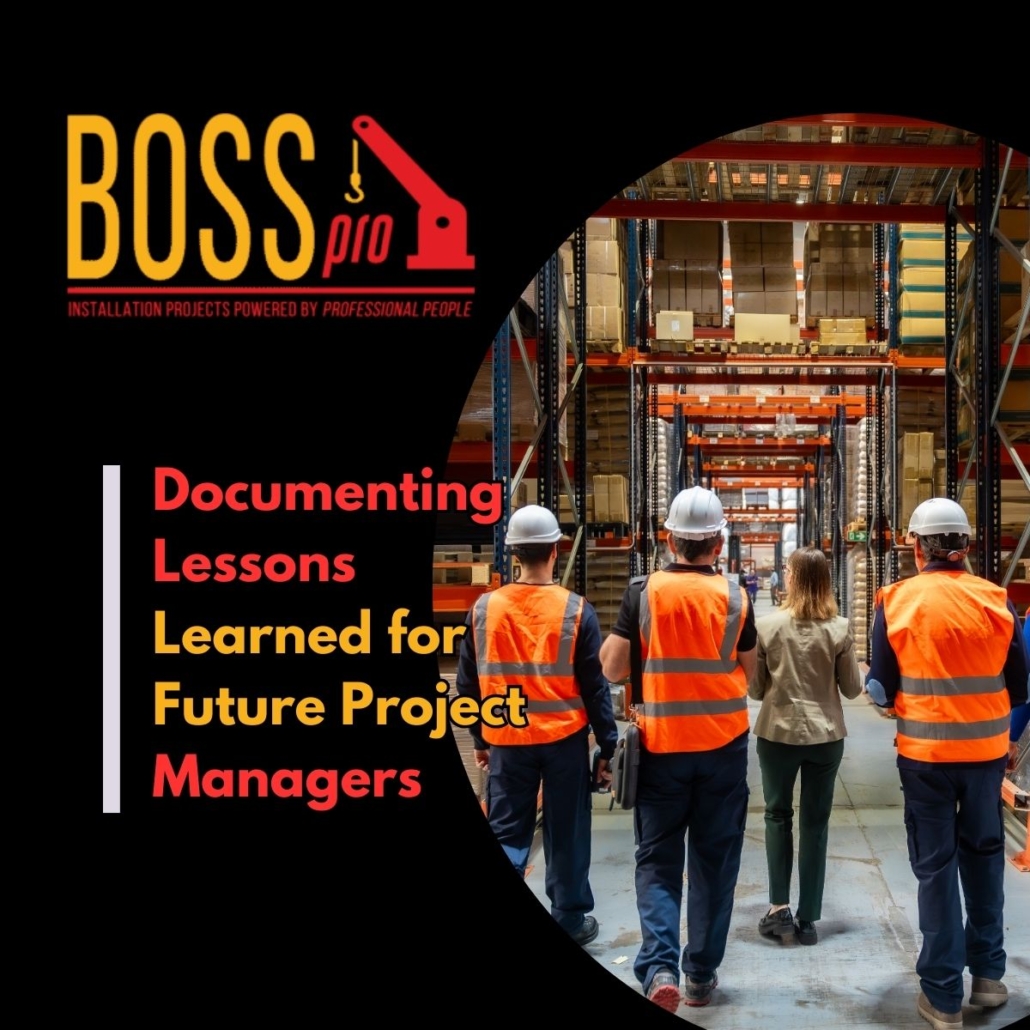
How to Document Lessons Learned in Ceramic Industry Projects
In the ceramic manufacturing industry, where operations involve high-temperature kilns, glazing lines, automation systems, and tightly controlled production schedules, every project generates critical knowledge. Properly documenting lessons learned ensures that future projects benefit from past experience, reducing risk, optimizing timelines, and improving overall profitability.
Effective documentation should begin during the planning phase, not only at project closure. Best practice includes capturing insights at three key stages: during execution, at major milestones, and at formal closeout.
In projects involving kiln modernization, production line installation, automation upgrades, or plant expansions, the following elements should be systematically recorded:
-
Schedule deviations and their root causes
-
Technical issues with equipment or suppliers
-
Field engineering adjustments
-
Contractor and plant coordination challenges
-
Environmental or operational constraints
Documentation must be structured and standardized. A narrative summary is not enough. A formal matrix should include: situation, impact, corrective action, outcome, and future recommendation.
It is equally important to distinguish between technical errors and strategic improvement opportunities. Organizational maturity is reflected in the ability to convert operational experience into institutional knowledge.
At BOSS PRO, we understand that every ceramic industry project represents a significant investment. Documenting lessons learned is not an administrative formality — it is a strategic tool for continuous improvement, stronger execution, and long-term competitiveness.






Dejar un comentario
¿Quieres unirte a la conversación?Siéntete libre de contribuir!